The Physics of "Un-Listening": Why Air Conduction Beats Bone Conduction at $30
Update on Dec. 7, 2025, 5:31 p.m.
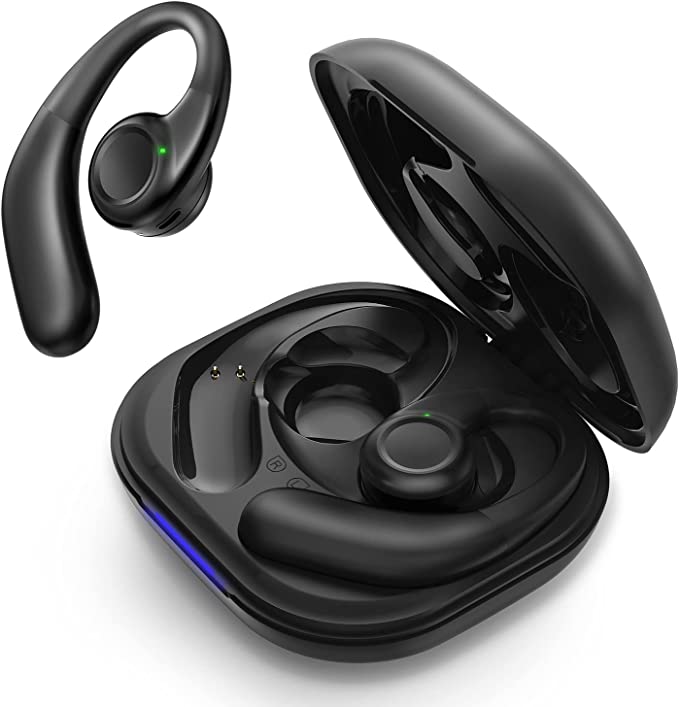
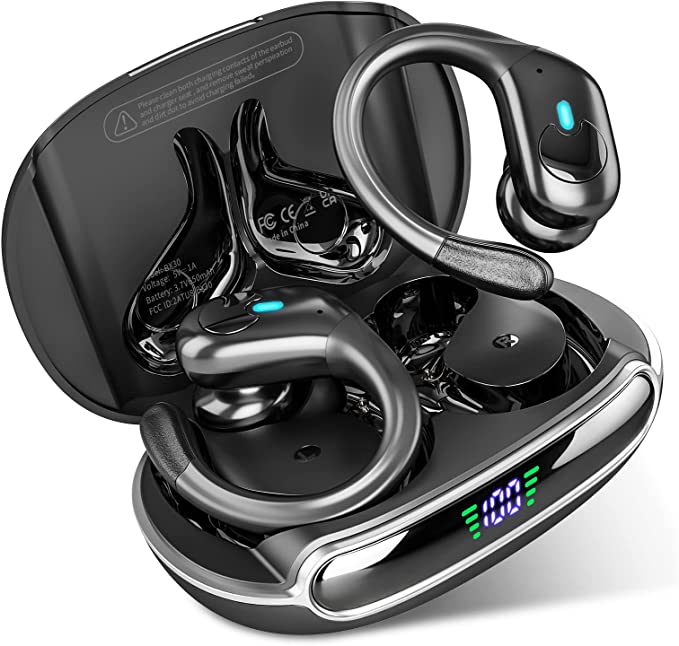
In the world of sports audio, “Bone Conduction” has become a buzzword synonymous with safety. However, a quiet revolution is happening in the budget sector: Air Conduction. The Baixhur BH-OEH-02 is a prime example of this technology, often confused with its skeletal cousin but operating on entirely different physics.
Is it just a “small speaker hanging by your ear”? Technically, yes. But the engineering behind how that speaker projects sound is what separates a tinny gadget from a legitimate running tool. Let’s dissect the acoustic mechanics of the Baixhur to understand why “un-listening” to the world is the ultimate safety feature.

Air vs. Bone: The Frequency War
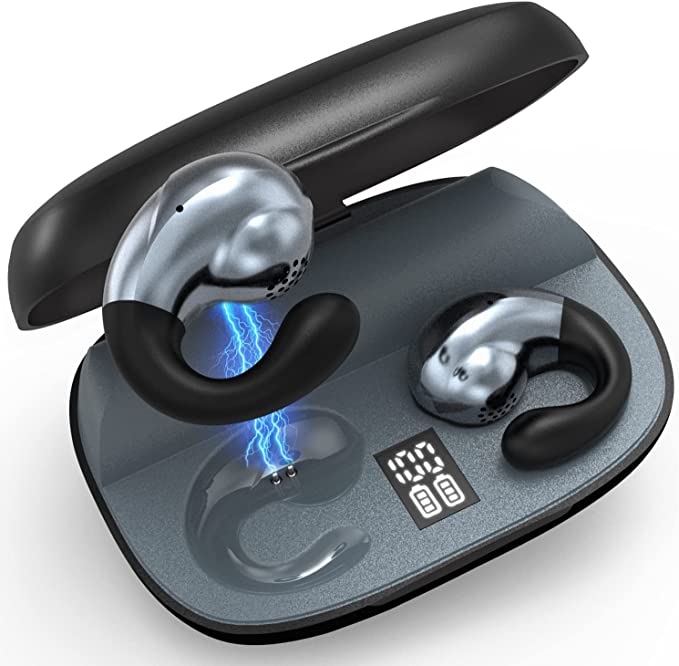
True bone conduction transducers vibrate against your cheekbones, bypassing the eardrum to stimulate the cochlea directly. While magical, this method requires massive energy to transmit low frequencies and often leaves music sounding thin or “ticklish” at high volumes.
The Baixhur BH-OEH-02 uses Air Conduction (Thesis). It employs directional speakers positioned precisely above the ear canal. * The Physics: By transmitting sound waves through the air, the driver can utilize the natural resonance of your ear canal. This allows for a much broader frequency response, particularly in the mids and highs, compared to similarly priced bone conduction sets (Physics). * The Result: You get vocals that sound like vocals, not like a telephone recording. As user “HotFlashV” noted, you can enjoy Aerosmith’s texture while still hearing a grandchild’s request for popcorn (Voice of Customer).
The Safety of “Openness”
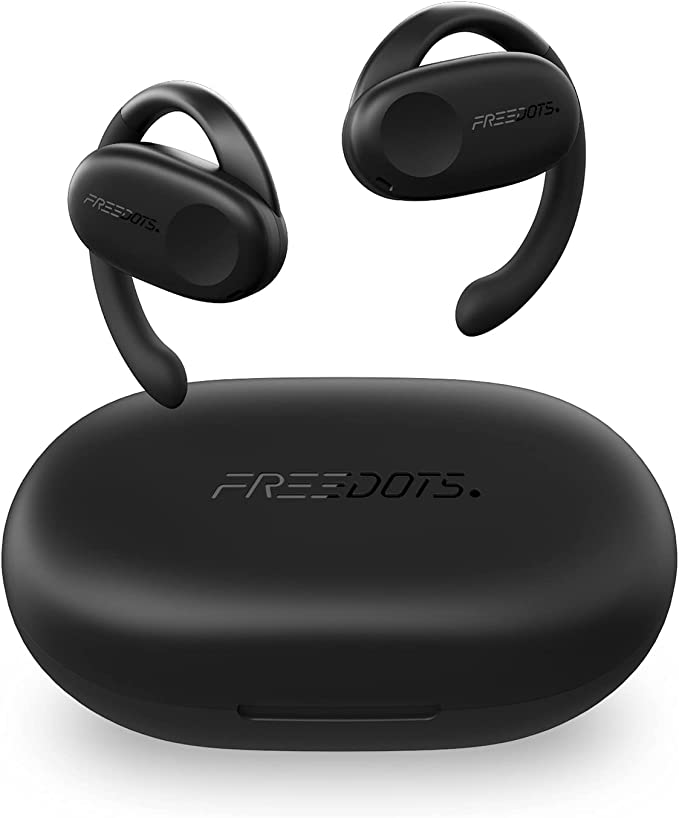
The primary engineering goal of the Baixhur is Situational Awareness. Traditional ANC earbuds aim to isolate; Open-Ear headphones aim to integrate.
When you plug your ear canal, you create an “occlusion effect,” amplifying your own footsteps and breathing while muffling approaching cars. By leaving the canal physically open, the Baixhur allows environmental sounds (traffic, nature, voices) to reach your eardrum unhindered. This is not a software “Transparency Mode”; it is biological transparency (Expert Nuance). For runners and cyclists, this passive safety mechanism is fail-safe—it works even if the battery dies.

The Leakage Trade-off
There is no free lunch in acoustics. If the ear canal is open, sound can escape. This is Sound Leakage.
While Baixhur uses directional audio technology to “beam” sound into the ear, physics dictates that low-frequency waves are omnidirectional.
So What? In a quiet library, the person next to you will hear your podcast. However, in the intended environments—gyms, trails, busy streets—the ambient noise floor effectively masks this leakage. This product is engineered for public activity, not private silence.
Bluetooth 5.3: The Invisible Anchor
Connecting this acoustic system is Bluetooth 5.3. In the context of open-ear audio, where bass response is naturally weaker, connection stability is paramount to maintain immersion. Bluetooth 5.3 offers improved interference rejection (Data). This ensures that when you are running through a neighborhood filled with Wi-Fi signals, your music doesn’t stutter, maintaining the fragile illusion of a “personal soundtrack” layered over the real world.
Conclusion: The Pragmatic Choice
For audiophiles seeking sub-bass, the Baixhur BH-OEH-02 will disappoint. But for the pragmatic athlete who values safety over isolation and clarity over bone-vibrating bass, Air Conduction offers a superior fidelity-to-price ratio than bone conduction. It keeps your ears clean, your awareness sharp, and your wallet intact.