MuveAcoustics Drive Wired Headphones: Decoding the Physics of the $10 Audio Miracle
Update on Dec. 7, 2025, 8:13 p.m.
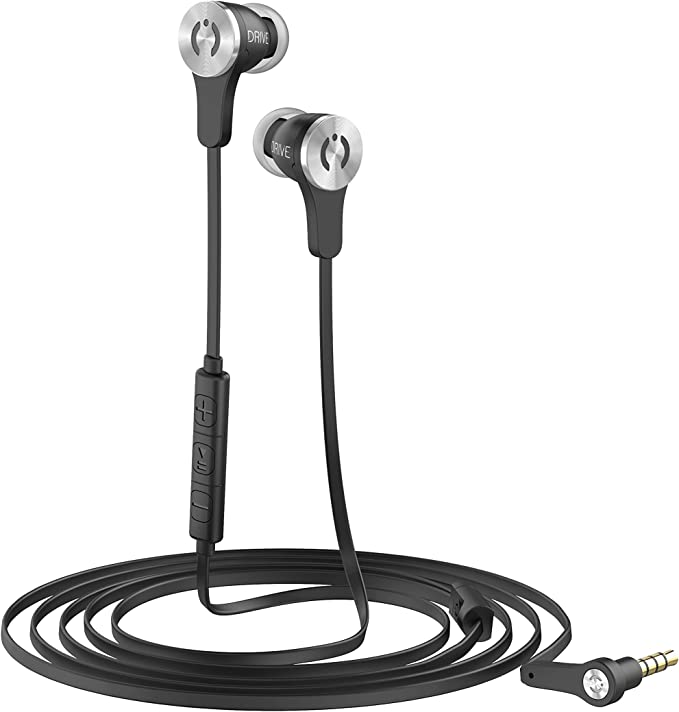
In the high-fidelity universe, “budget” is often a polite synonym for “compromised.” Yet, the MuveAcoustics Drive Wired Headphones present a fascinating anomaly in the Amazon ecosystem. With over 8,000 ratings hovering at 4.2 stars, this device challenges a fundamental economic law of audio: How can a product that costs less than a lunch sandwich deliver the “Powerful Bass” it promises?
The answer lies not in magic, but in a clever manipulation of physics and psychoacoustics. This is not just a review; it is an acoustic autopsy of how engineers extract maximum performance from minimal materials.
H4 The Illusion of Depth: Dynamic Driver Mechanics
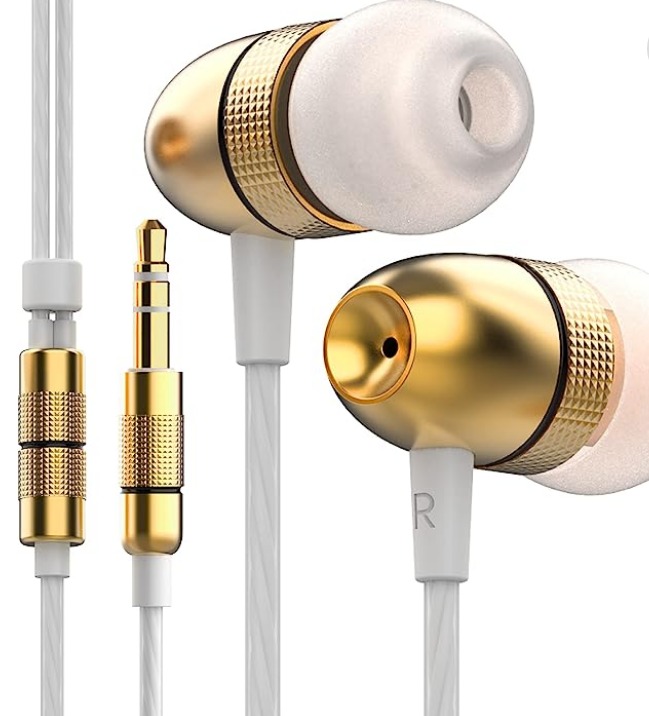
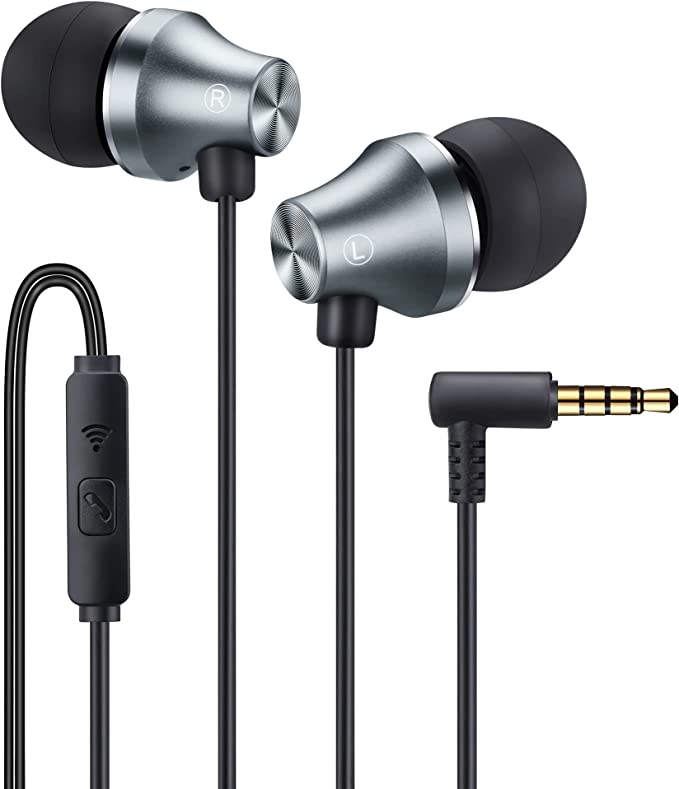
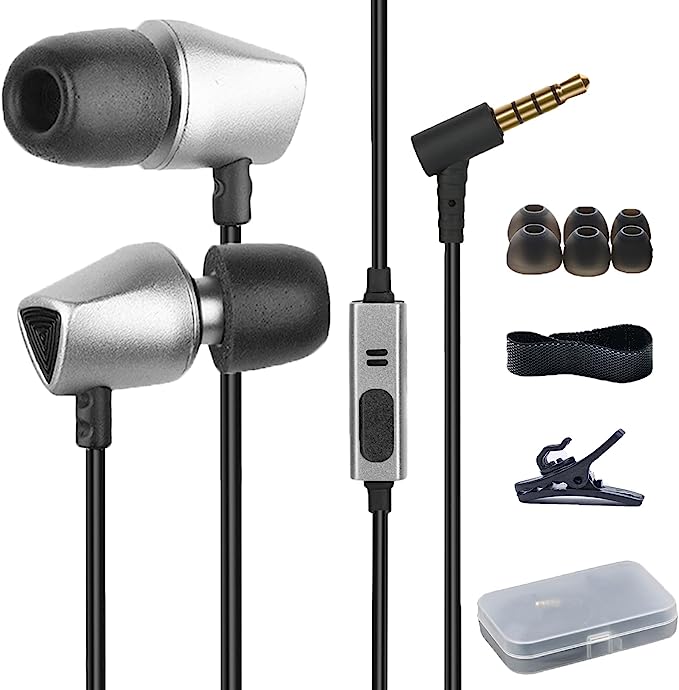
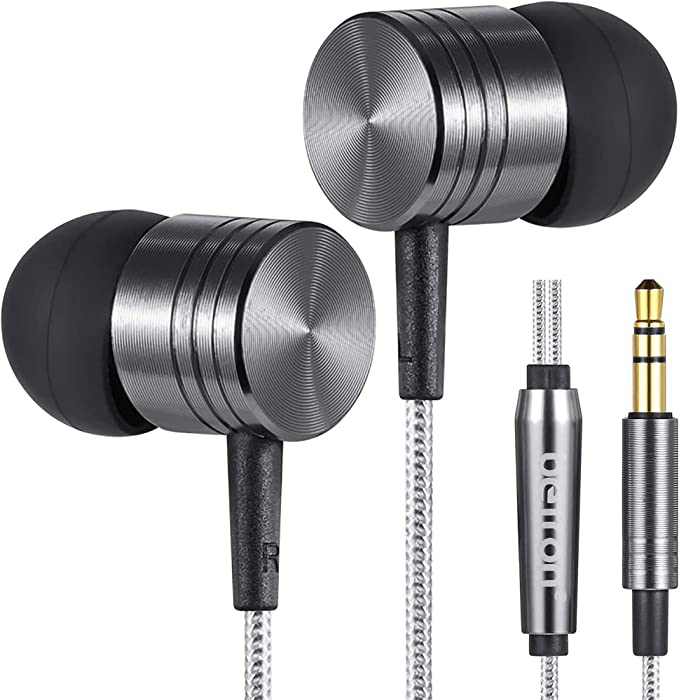
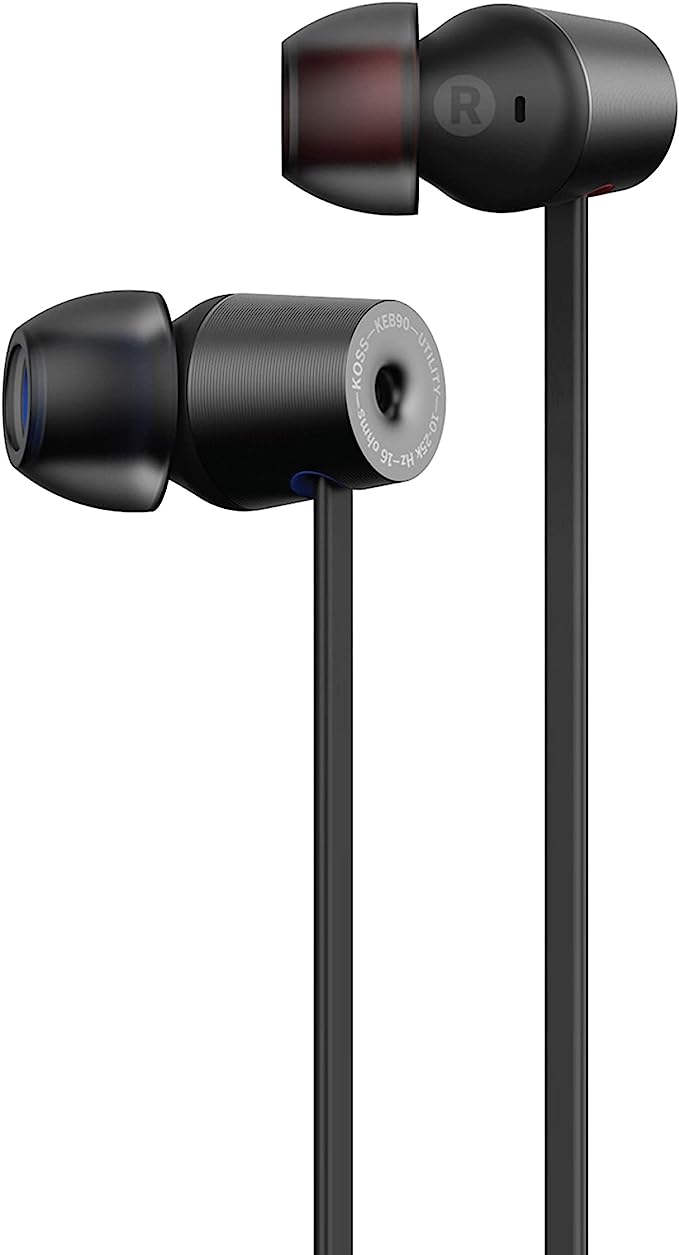
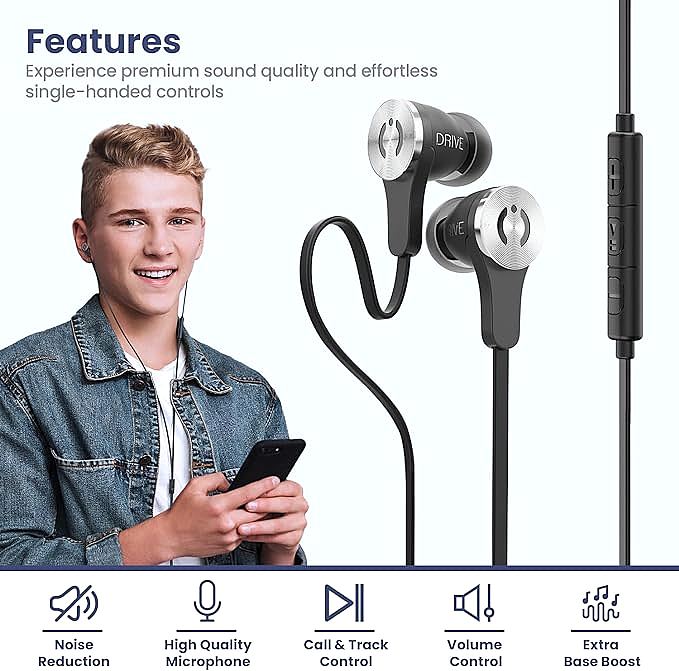
At the heart of the Drive sits a standard dynamic driver. To understand the user polarization—where user “lame_duck” hears “amazing bass” and user “Big dong” hears “nonexistent”—we must look at the diaphragm mechanics (Thesis).
In a $10 earbud, the driver diameter is typically restricted (likely 8mm-10mm) and the magnet strength is finite (Physics). A driver of this size physically struggles to move the volume of air required to reproduce sub-bass frequencies (20Hz-60Hz) at audible volumes without distorting (Data). To compensate, audio engineers often employ a “mid-bass hump.” By tuning the driver’s resonance frequency to boost the 100Hz-200Hz range, they create a psychoacoustic illusion of “heaviness” and impact.
Field Note: If the bass feels weak, do not blame the driver immediately. Check your eartip seal. A gap as small as the width of a human hair can cause a 10dB loss in low-frequency pressure, effectively castrating the bass response.
This explains the discrepancy in user reviews. Users who achieve a perfect seal experience the intended mid-bass punch. Those with a loose fit are left hearing only the tinny high frequencies, as the low-frequency energy leaks out before pressurizing the ear canal.
H4 The Cone of Silence: Passive Isolation vs. Marketing Hype
The marketing material boasts “advanced passive noise isolation.” Let us strip away the adjectives. Unlike Active Noise Cancellation (ANC), which uses phase-inverted sound waves to erase noise, passive isolation is purely a function of mass and density (Thesis).
The MuveAcoustics Drive relies on silicone eartips to physically plug the ear canal (Physics). This is effective against high-frequency noise (like office chatter or sizzling bacon) which has short wavelengths and is easily blocked. However, it is largely transparent to low-frequency energy (like the rumble of an airplane engine or a bus), which has long wavelengths that can penetrate the lightweight plastic housing and the silicone itself (Nuance).
User “Silsong” correctly identifies this limitation: “This isn’t really a noise canceling headphone… Just don’t anticipate strong noise cancelling.”
So What?: For the commuter, this means the Drive will mute the conversation of the person next to you, but it will do little to silence the roar of the subway train itself.
H4 The Microphone: The Electret Condenser Reality
The “High Definition Microphone” listed in the specs is almost certainly an Electret Condenser Microphone (ECM). These are the industry standard for mobile devices due to their compact size and low power requirements, utilizing a permanently charged material (the electret) to eliminate the need for a polarizing power supply (Physics).
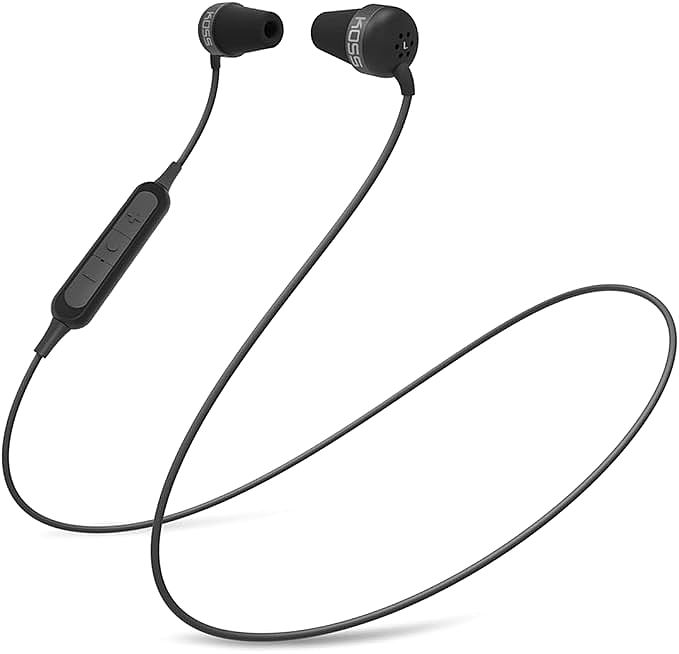
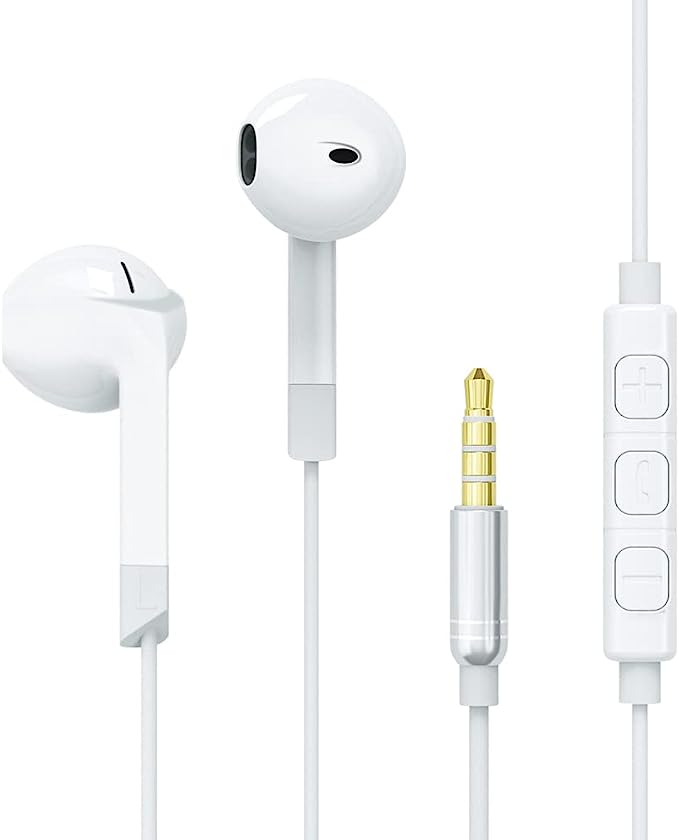
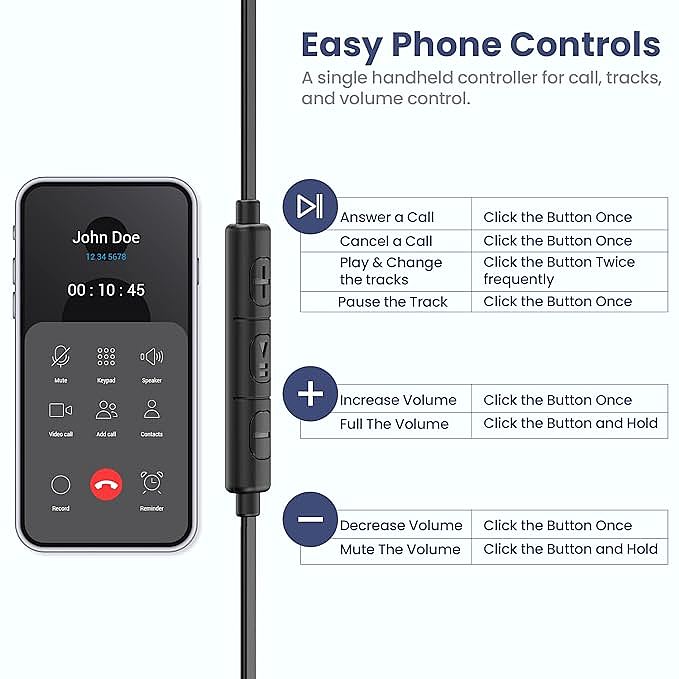
While “HD” is a marketing stretch, the physics of placement matters more than the sensor itself. The inline controller on the Drive is positioned on the cable, which brings a specific engineering challenge: Microphonics.
When the cable rubs against a shirt collar or zipper, the mechanical vibrations travel up the stiff, flat TPE cable directly to the microphone and the earpieces. While the microphone may capture voice clearly in a stationary test, walking or running can introduce significant “rustling” noise into the call.
Field Note: To improve call quality during outdoor walks, hold the microphone block between your thumb and forefinger. This acts as a mechanical damper, absorbing the friction noise from the cable before it reaches the sensor.
H4 Ergonomics: The Statistical Gamble
Designing a “one-size-fits-all” rigid plastic housing is a statistical gamble. The Drive uses an angled nozzle design intended to align with the average ear canal vector. However, human ears are as unique as fingerprints.
User “Sn00z3r” reported the unit was “Uncomfortable” despite trying all sizes. This is often due to the concha interaction (FMEA). If the main housing body is too large or angular for a smaller ear’s concha (the bowl-shaped part of the outer ear), no amount of soft silicone tip changing will alleviate the pressure of hard plastic pressing against cartilage.
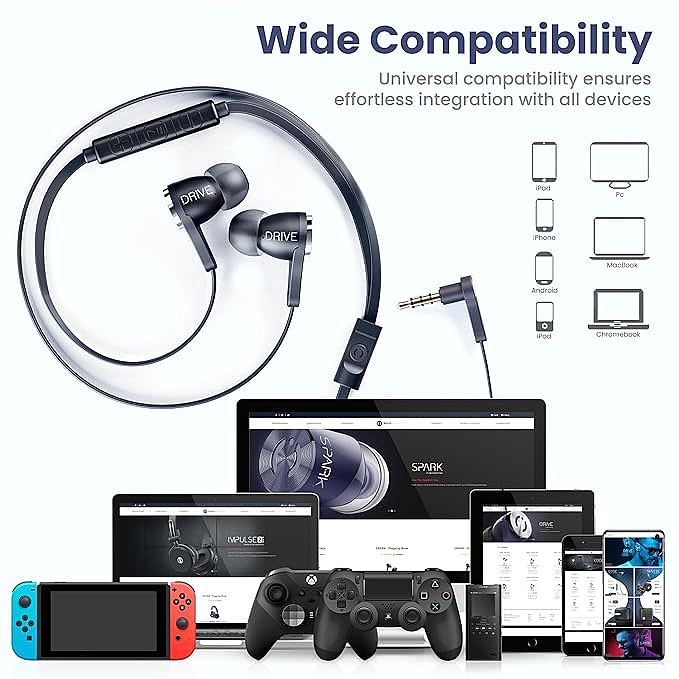
TCO Analysis (Total Cost of Ownership) * Initial Cost: $9.99 * Adapter Cost: $9.00 (Apple/USB-C Dongle, if required) * Replacement Frequency: Estimated 6-12 months for heavy users. * Hidden Value: Zero battery degradation. Unlike Bluetooth earbuds which become e-waste once the lithium battery fails (usually in 2-3 years), the Drive’s passive nature means it will function for decades as long as the wire remains intact.
In conclusion, the MuveAcoustics Drive is not defying physics; it is negotiating with them. It trades sub-bass extension for mid-bass impact, and absolute silence for a simple mechanical seal. For $10, it is a masterclass in budget prioritization.