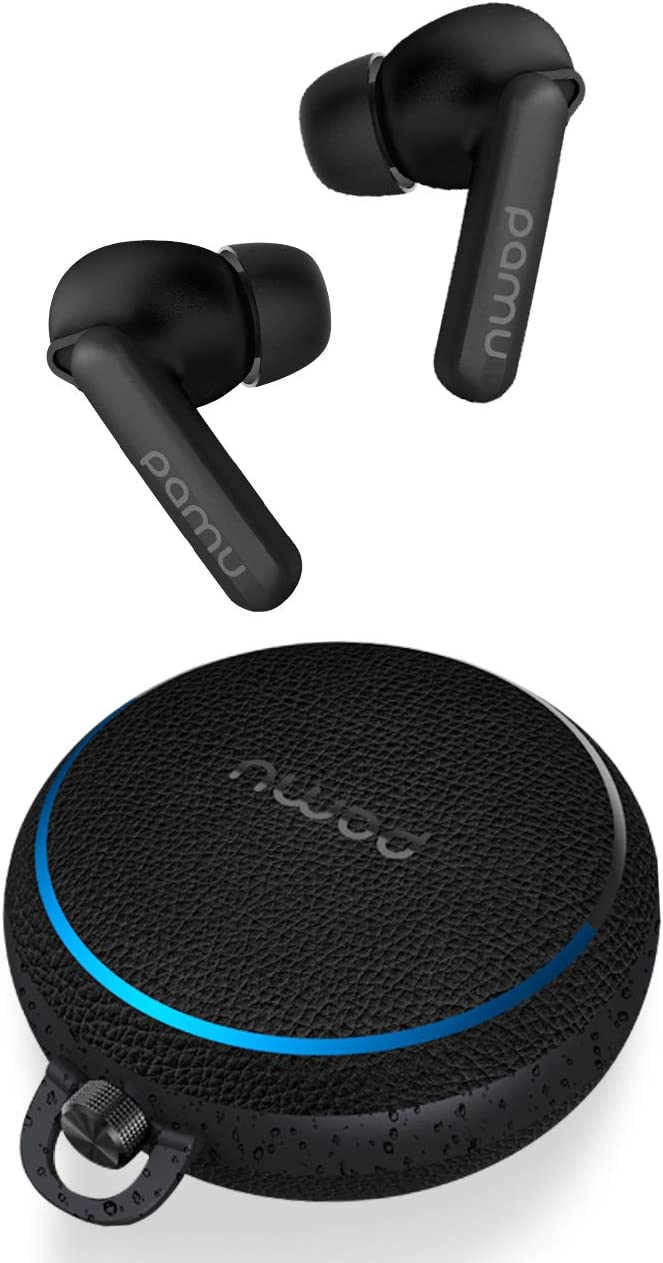
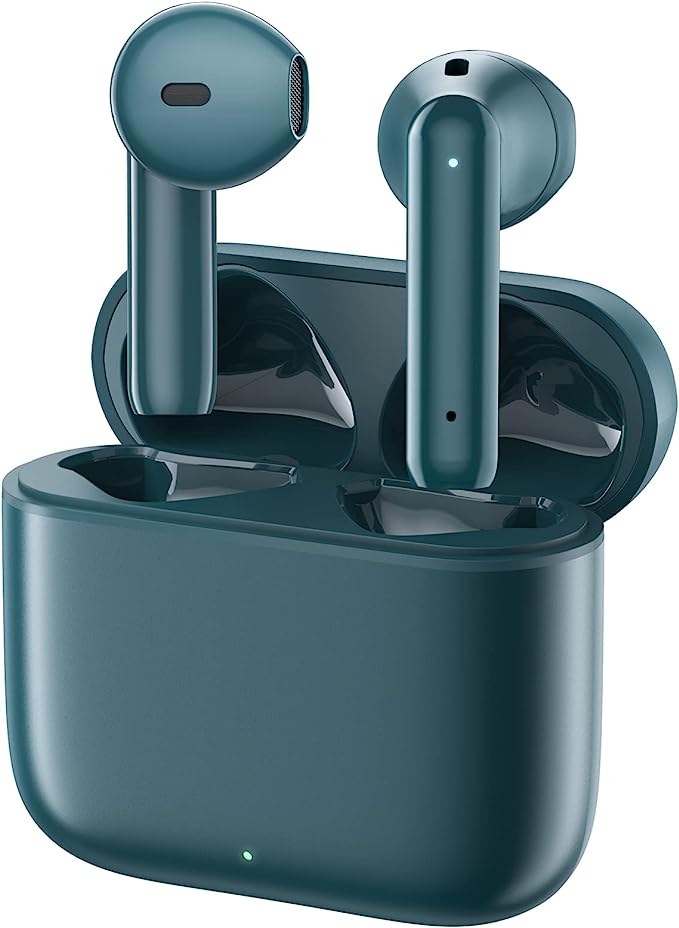
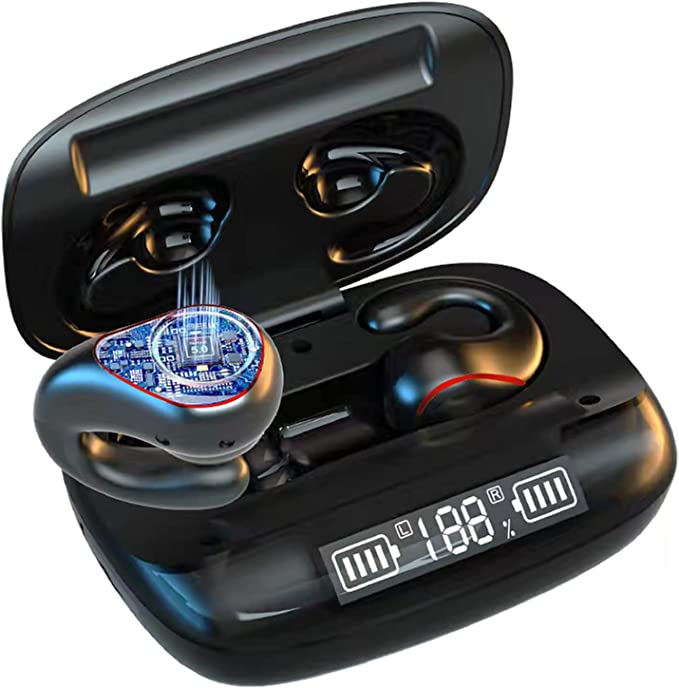
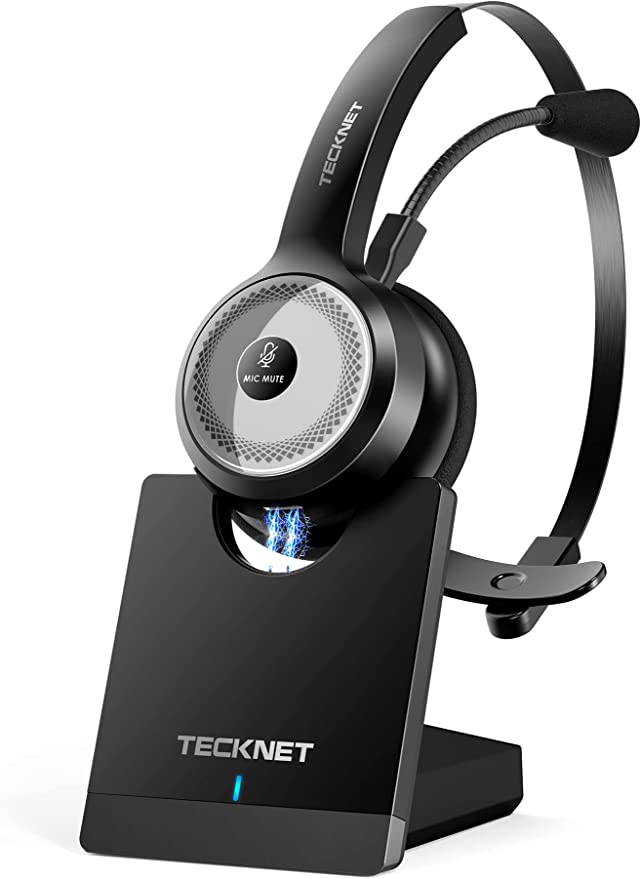
The Hybrid ANC Paradox: How $30 Earbuds Silence the World
Update on Dec. 7, 2025, 7:58 p.m.
In the audio industry, there is a “Golden Rule”: Active Noise Cancellation (ANC) costs money. Or at least, it used to. The KNZ AS3W PUREFECT challenges this rule by offering Hybrid ANC for the price of a few lattes.
Is this a technological breakthrough or a marketing mirage? To find out, we must look past the price tag and examine the silicon architecture. We are looking for the difference between “filtering noise” and “canceling it.”
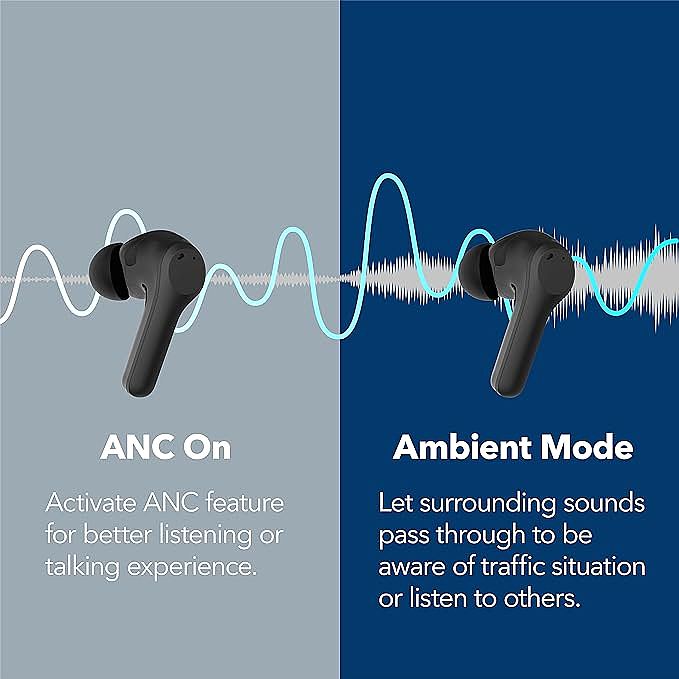
The Engineering of Silence: Feedforward vs. Hybrid
Most budget “ANC” earbuds use Feedforward technology. They place one microphone on the outside to hear the noise and generate an opposing wave. It’s simple, cheap, and effective only against low-frequency drones (like a plane engine).
KNZ deploys Hybrid ANC (Thesis). This system adds a second microphone inside the ear cup, right next to the speaker driver. * The Feedback Loop: The internal mic listens to what you are hearing. If some noise leaks past the seal, the system detects it and corrects the anti-noise signal in real-time (Physics). * The Result: A claimed 38dB reduction. While this matches some flagship numbers on paper, in reality, it creates a “Cone of Silence” that covers a wider frequency band than standard budget buds. It tackles not just the engine drone, but also the mid-range chatter of a coffee shop. As user “Mony” reported, the quality is “Comparable to those Big names.”
The 12mm Displacement Engine
Standard True Wireless (TWS) earbuds use 6mm or 8mm drivers. KNZ stuffed a 12mm Composite Dynamic Driver into the AS3W.
In acoustics, size matters. A 12mm diaphragm has roughly 2.25x the surface area of an 8mm driver.
* The Physics: To produce deep bass, you need to move air. A small driver has to move wildly (high excursion) to create bass, which introduces distortion. A large 12mm driver can move the same amount of air with a gentle push (Expert Nuance).
* The Sound: This results in effortless, room-filling bass that doesn’t sound strained. User “G. Garcia” calls it “The best sound I’ve heard from wireless headphones,” noting the lack of boominess. This control is likely due to the “composite” material stiffening the large cone to prevent warping.
Bluetooth 5.2: The Invisible Upgrade
The AS3W runs on Bluetooth 5.2. This isn’t just a number bump; it introduces Isochronous Channels.
Legacy Bluetooth sent data to one earbud, which then relayed it to the other. This caused lag and connection drops. Bluetooth 5.2 sends audio to both earbuds simultaneously (Data).
So What? This dramatically improves connection stability and reduces video latency. It explains why user “Books Collectibles & More” reported “super reliable” signals where expensive brands failed. It’s a foundational stability upgrade.
Conclusion: The Value Shift
The KNZ AS3W proves that the components for high-end audio—Hybrid ANC chips, large drivers, BT 5.2—have become commodities. The “premium” you pay for big brands is increasingly for the software ecosystem, not the hardware performance. If you can live without a fancy app, the physics of the KNZ AS3W deliver 90% of the performance for 10% of the price.