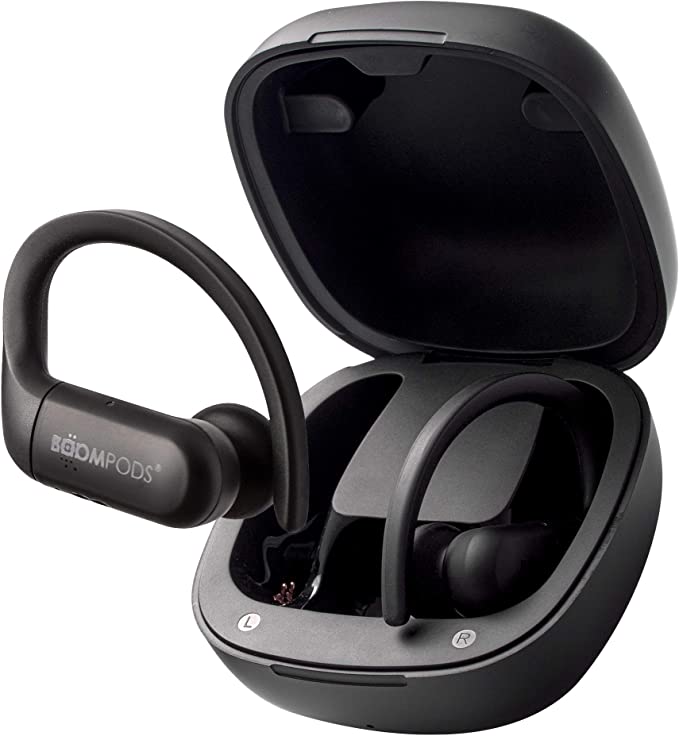
The Open-Ear Paradox: Deconstructing the "ANC" Myth and Air Conduction Physics
Update on Dec. 6, 2025, 9:57 p.m.
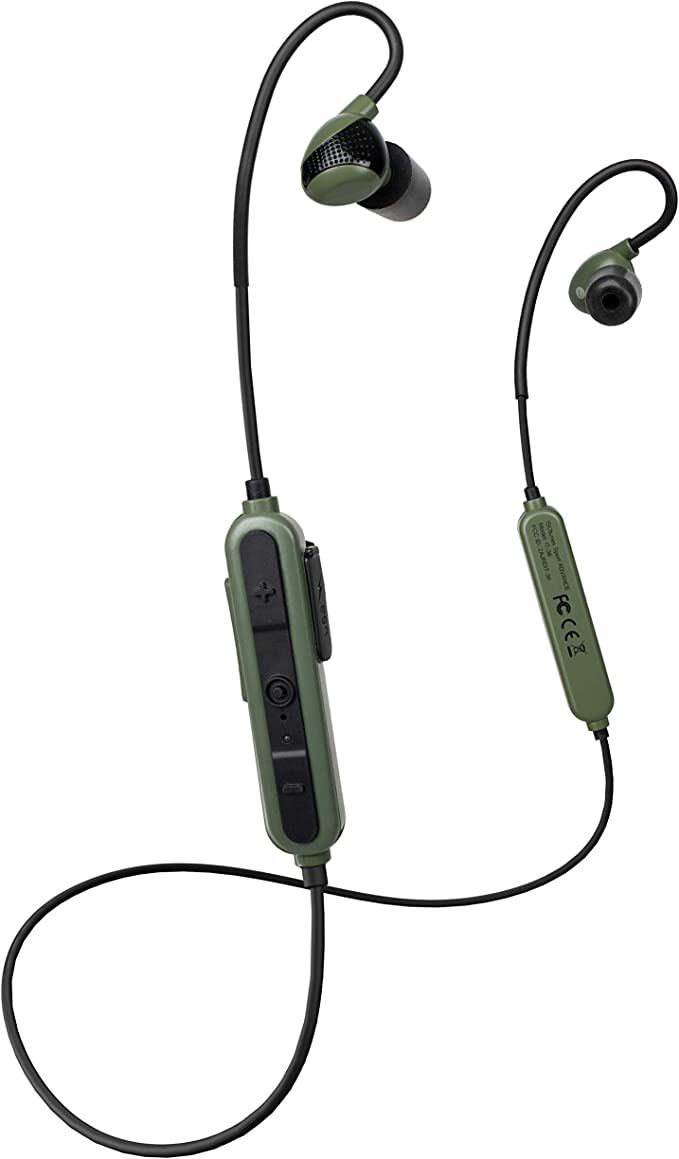
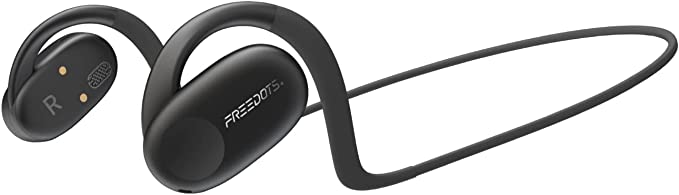
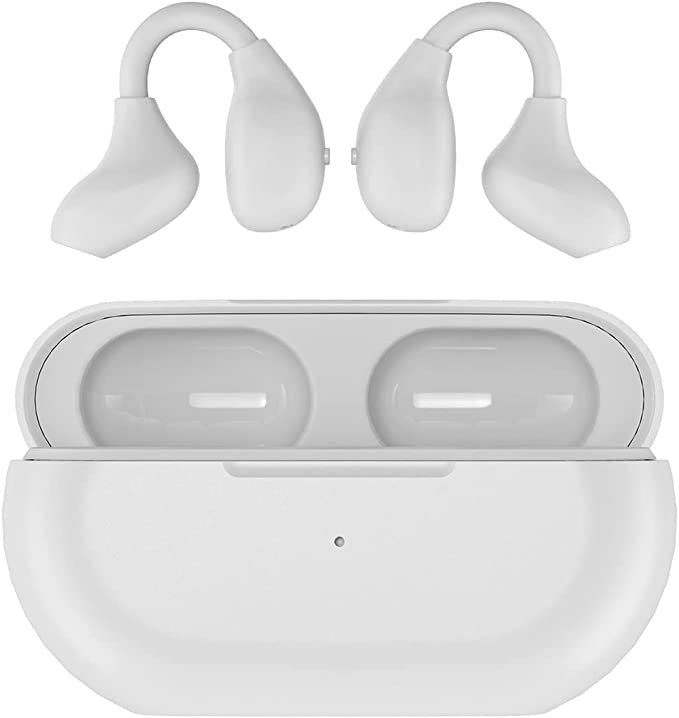
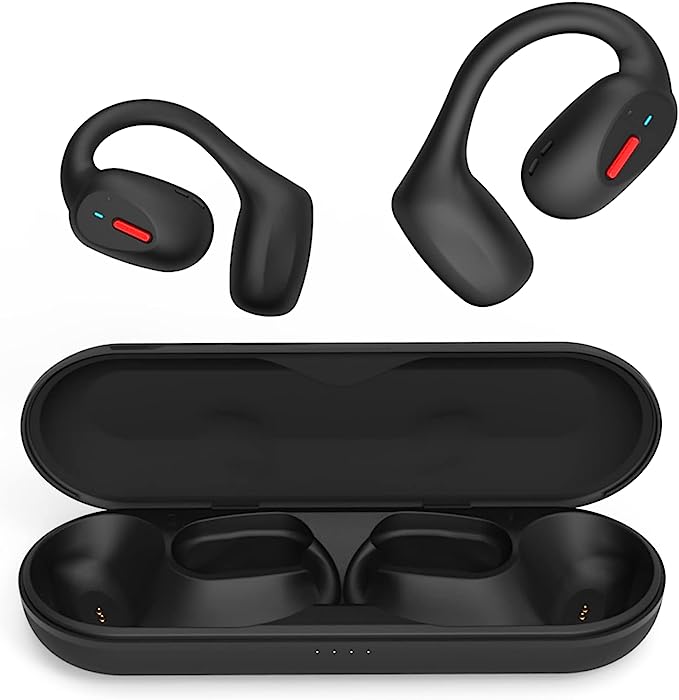
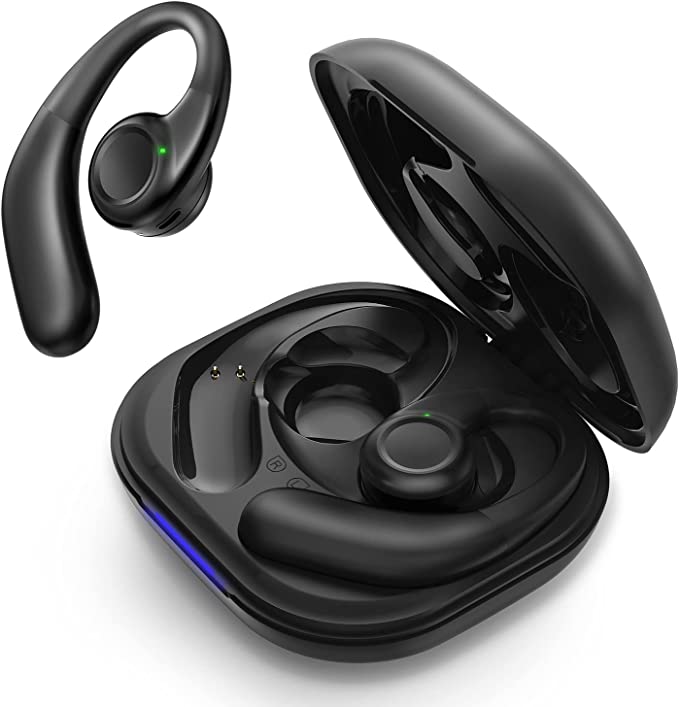
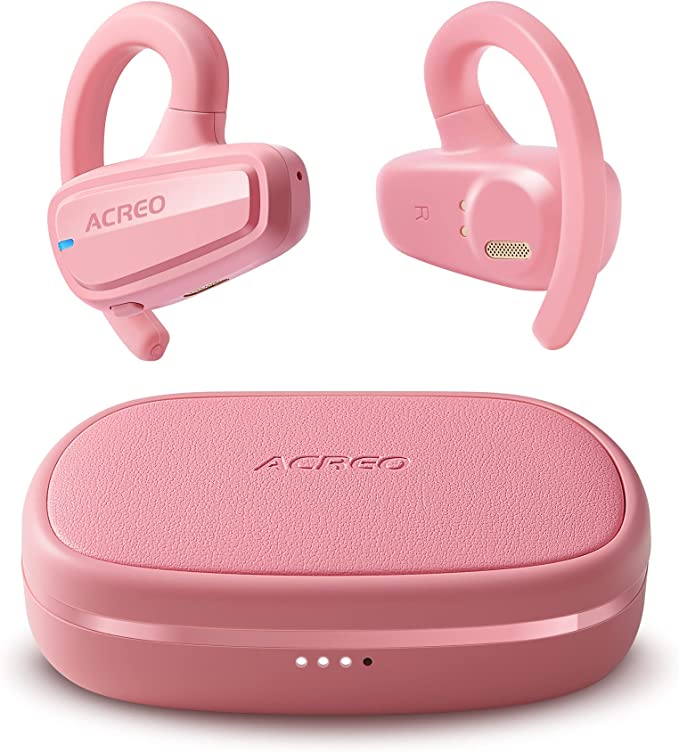
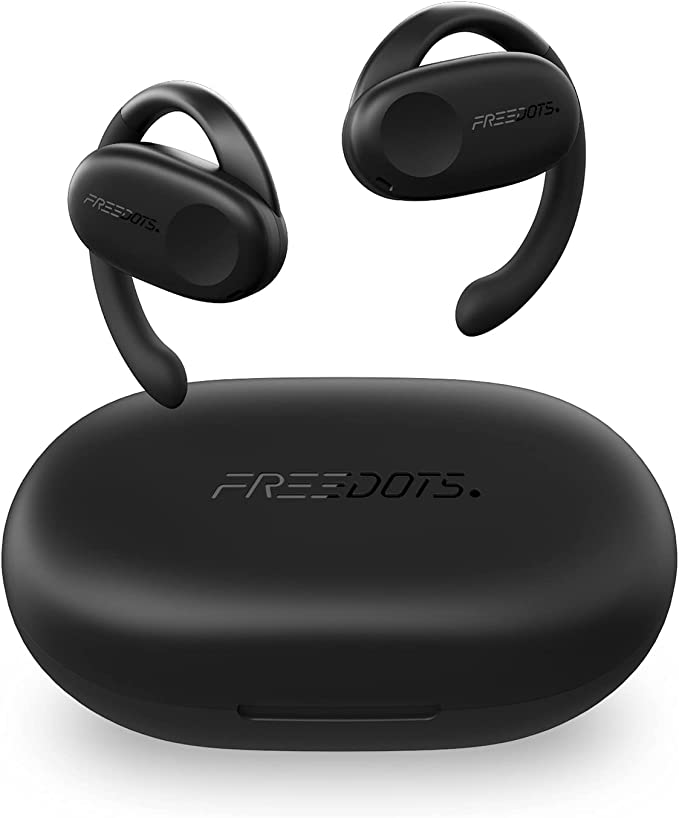
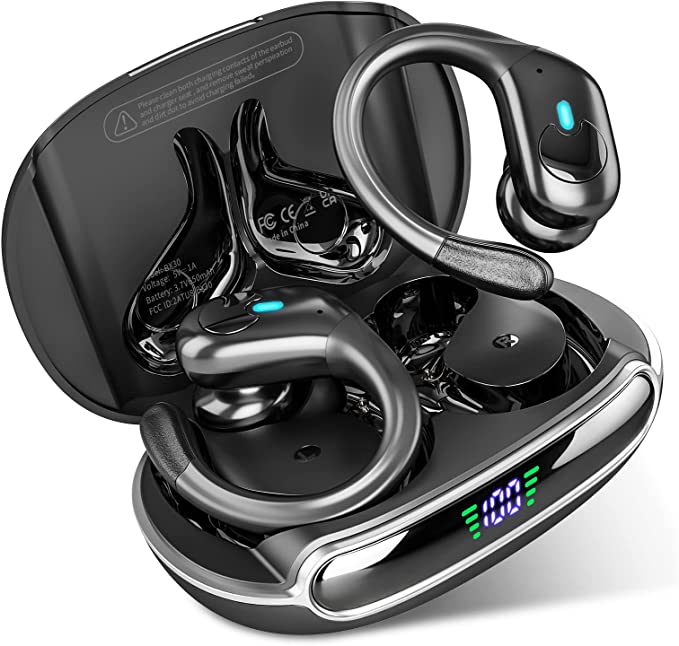
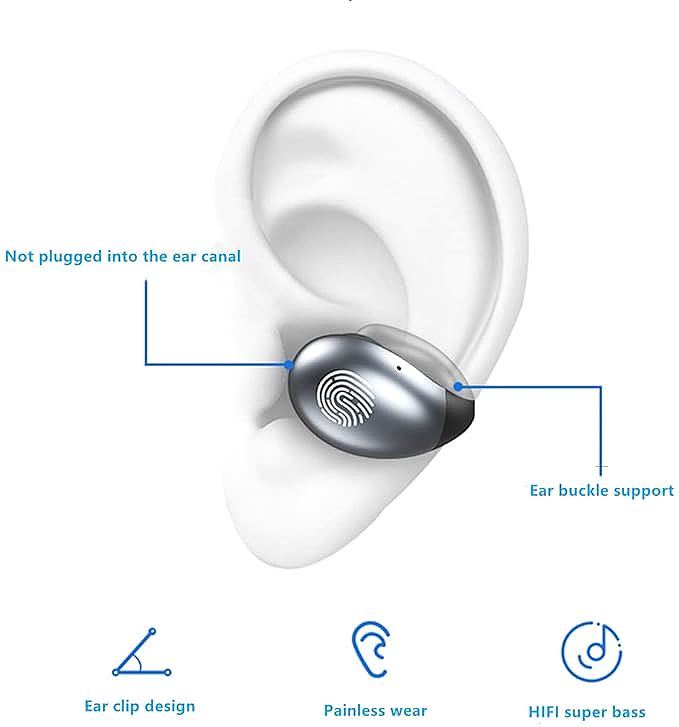
The product listing for the WPOW Open Ear Headphones contains a specification that defies the laws of physics: “Active Noise Cancellation” (ANC). For a device explicitly designed to leave the ear canal completely open to the world, claiming to cancel noise is akin to installing a screen door on a submarine. This marketing hallucination, however, shouldn’t distract from what the device actually is. It is a textbook example of Air Conduction technology, a distinct category of audio engineering that prioritizes biological comfort and situational awareness over spectral fidelity.
Air Conduction vs. Bone Conduction: The Confusion
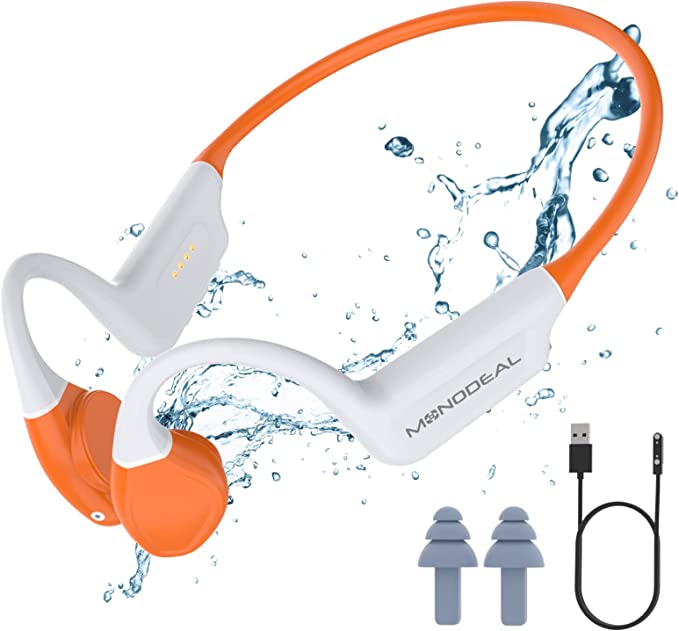
Many users stumble upon the WPOW while searching for “bone conduction” alternatives like Shokz. It is crucial to distinguish the two. * Bone Conduction: Vibrates the cheekbones to send waves directly to the cochlea, bypassing the eardrum. It feels like a tactile buzz. * Air Conduction (WPOW): Uses miniature, directional speakers positioned near the ear canal to beam sound waves into the ear. It uses the eardrum normally (Thesis). * The Experience: With WPOW, you won’t feel the “tickle” or vibration on your face that plagues bone conduction at high volumes. The sound is more natural, resembling music playing from small speakers floating near your head (Physics).
The Myth of ANC in Open-Ear Designs
Let’s address the elephant in the room. ANC works by using microphones to monitor ambient noise and generating an inverse sound wave to cancel it out inside a sealed chamber (the ear canal).
The WPOW has no seal. The ear canal is wide open. Therefore, any anti-noise generated would simply dissipate into the atmosphere, cancelling nothing.
* The Verdict: The “Active Noise Cancellation” listed is likely a translation error or marketing obfuscation for Environmental Noise Cancellation (ENC) during phone calls (where the mic filters background noise for the person you are talking to). For the wearer, there is zero noise cancellation. You hear the music and the traffic. This is the intended function of the device (Expert Nuance).
The Physics of the “Missing” Bass
A recurring theme in user reviews is the lack of bass. Audiophiles call this “tinny”; engineers call it Low-Frequency Roll-Off. * The Mechanism: Bass frequencies have long wavelengths. To be perceived as powerful, they need to pressurize a volume of air (like a sealed ear canal). In an open design, the low-frequency energy effectively “shorts out” or dissipates into the surrounding air before it can build up enough pressure at the eardrum (Data). * The Reality: No amount of EQ can fix this. It is a geometric limitation. If you want earth-shattering sub-bass, you need a seal. If you want to hear a cyclist approaching you from behind, you sacrifice the bass. The WPOW is tuned for vocals and mid-range frequencies (podcasts, audiobooks), which require less energy to transmit over the air gap (Scenario).

In summary, the WPOW Open Ear Headphones are a specialized tool for situational awareness. They allow you to overlay a soundtrack onto reality without blocking it out. Understanding that “ANC” is a misnomer and “weak bass” is a physics necessity allows users to appreciate the device for what it actually offers: a safe, comfortable way to listen while living.